


.png)
The Impact of World Leaders on Advances in Elective Surgery

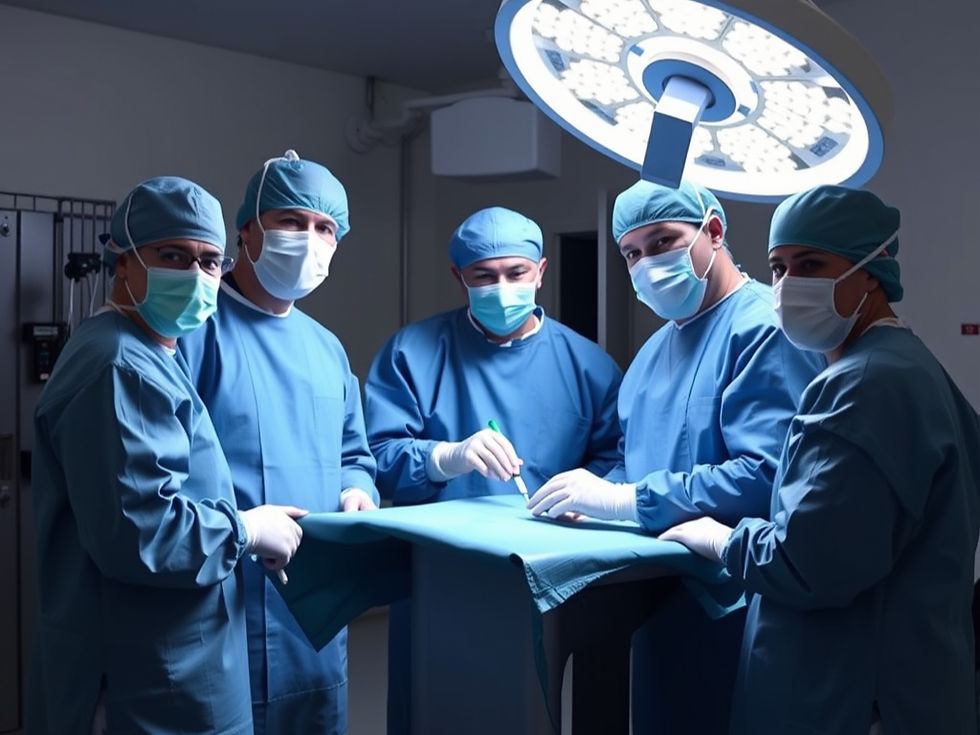
Elective surgery has seen remarkable progress over the past few decades, transforming patient outcomes and expanding treatment possibilities. While medical professionals and researchers play a crucial role in these advances, the influence of world leaders cannot be overlooked. Their policies, funding decisions, and international collaborations have shaped the landscape of elective surgery worldwide. This post explores how world leaders have impacted the development and accessibility of elective surgical procedures, highlighting key examples and trends.
How Leadership Shapes Healthcare Innovation
World leaders influence healthcare systems through legislation, budget allocations, and strategic priorities. When leaders prioritize healthcare innovation, they create an environment where elective surgery can thrive. This includes funding research, supporting medical education, and improving infrastructure.
For example, countries with strong government support for medical research often lead in developing new surgical techniques and technologies. Leaders who champion healthcare reforms can also reduce barriers to elective surgery, making it more accessible to a broader population.
Examples of Leadership Driving Elective Surgery Advances
United States: Investment in Research and Technology
The United States has long been a leader in medical innovation, partly due to government funding agencies like the National Institutes of Health (NIH). Presidents and policymakers who have supported increased research budgets have enabled breakthroughs in minimally invasive surgery, robotic surgery, and enhanced recovery protocols.
For instance, the development of robotic-assisted surgery systems, such as the da Vinci Surgical System, benefited from public and private sector collaboration encouraged by supportive policies. These technologies have improved precision and reduced recovery times for patients undergoing elective procedures.
Germany: Focus on Training and Quality Standards
Germany’s leadership has emphasized high-quality medical training and strict standards for surgical practice. Government initiatives have fostered specialized training programs and certification processes that ensure surgeons are highly skilled in elective procedures.
This focus on quality has made Germany a destination for patients seeking complex elective surgeries, such as joint replacements and cosmetic procedures. The leadership’s commitment to maintaining rigorous standards has helped improve patient safety and outcomes.
South Korea: Integration of Technology and Healthcare
South Korean leaders have pushed for the integration of advanced technology in healthcare, including elective surgery. Government support for digital health and medical device innovation has accelerated the adoption of cutting-edge surgical tools.
South Korea’s investment in telemedicine and AI-assisted diagnostics also supports elective surgery by improving preoperative planning and postoperative care. This leadership approach has positioned the country as a hub for innovative surgical treatments.
The Role of International Collaboration
World leaders also impact elective surgery through international partnerships. Collaborative efforts between countries can lead to shared knowledge, joint research projects, and harmonized regulations that benefit patients globally.
For example, the World Health Organization (WHO) and other international bodies encourage member states to adopt best practices in surgical care. Leaders who engage in these platforms help spread advances in elective surgery beyond their borders, improving global health equity.
Challenges Leaders Face in Supporting Elective Surgery
Despite the benefits, world leaders must balance elective surgery with other healthcare priorities. Elective procedures are often seen as less urgent compared to emergency care, which can affect funding and resource allocation.
Additionally, disparities in healthcare access remain a challenge. Leaders must address socioeconomic and geographic barriers to ensure elective surgery is available to all who need it, not just those in wealthy or urban areas.
What the Future Holds
The future of elective surgery depends on continued leadership that values innovation, equity, and collaboration. Emerging technologies like 3D printing, regenerative medicine, and personalized surgery will require supportive policies and investment.
Leaders who foster partnerships between governments, academia, and industry will accelerate these advances. They will also need to focus on training the next generation of surgeons and expanding access to care worldwide.

Comments